
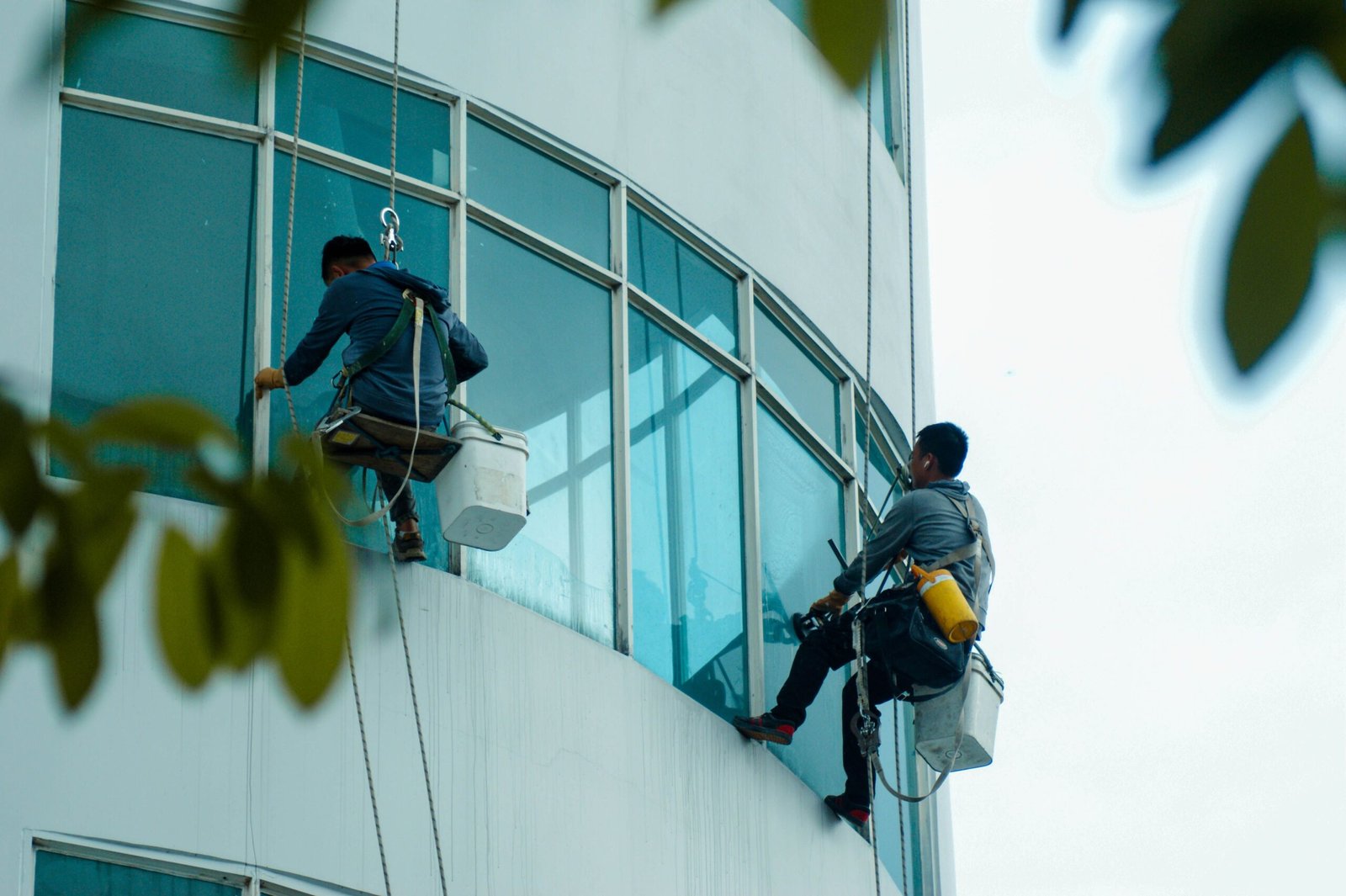
This is a genuinely dangerous job, so please take your own safety seriously. Always wear the basics — safety goggles, gloves, and other required PPE — since even small oversights at height can turn fatal. One important point: always inspect the rope thoroughly before use, so you don’t run into problems mid-task. Experienced technicians already know this, but new applicants especially should read all the information carefully first, so you know exactly where the job is located. Some people apply without reading the details and later find it difficult to reach the site. Please review the full listing at least once before applying.
Job Overview
| Category | Details |
|---|---|
| Job Title | Rope Access Technician |
| Company | TREVER treballs verticals |
| Location | Castellar del Vallès (Barcelona), Spain |
| Job Type | Full-Time, 100% On-Site |
What This Role Involves
- Inspecting ropes, harnesses, fall arresters, and rigging equipment before every shift
- Rigging primary (working) and secondary (safety) access lines with certified anchors
- Performing facade cleaning, structural repairs, protective coatings, and utility installations while suspended
- Maintaining active radio communication and hand signals with the ground crew
- Managing ground-level safety zones (cones, warning tape) to protect pedestrians and vehicles
Requirements
| Category | Requirement |
|---|---|
| Physical Fitness | Strong upper-body strength, endurance, and comfort working at height |
| Safety Discipline | Strict adherence to protocols, zero tolerance for unsafe shortcuts |
| Certification | IRATA, SPRAT, or ANETVA Level 1 (or willingness to obtain) |
| Technical Skills | Comfortable operating power tools (grinders, drills, sealant guns) |
| Teamwork | Clear communication, reliability under variable weather conditions |
Understanding Rope Access Certifications
If you’re new to this trade, the certification landscape can be confusing. IRATA (Industrial Rope Access Trade Association) is the most widely recognized global standard, while SPRAT is common in North America. In Spain specifically, ANETVA is the standard most local employers look for, since it’s aligned with EU safety directives. Starting at Level 1 is normal for entry-level candidates — you don’t need Level 2 or 3 certification to apply for most technician roles, though advancing requires logging a minimum of 1,000 verified hours on rope plus a practical assessment.
Do You Need Prior Construction Experience?
Not necessarily. A background in masonry, painting, or general maintenance is helpful since much of the actual work (repairs, coatings, sealing) draws on those skills — but candidates with a valid Level 1 rope access certification and a genuinely safety-conscious mindset can be hired directly, even without a construction background. What employers are usually more cautious about is candidates who are physically comfortable at height in theory but haven’t actually tested that under working conditions — if you’re unsure, it’s worth being honest about this early rather than during an actual job.
A Note on Safety Culture in This Trade
Rope access has one of the better safety records in the construction and maintenance sector, largely because of mandatory dual-rope redundancy (a backup line for every working line) and strict pre-shift equipment checks. That said, this safety record depends entirely on technicians actually following the checklists every single time, not just when someone’s watching. Employers in this field tend to value technicians who take equipment inspection seriously over those who rush it, even under time pressure — this is often a bigger factor in hiring decisions than raw physical strength.
Career Growth in This Field
Starting as a Level 1 Technician isn’t necessarily an entry point with limited ceiling — many technicians progress toward Site Supervisor or Safety Auditor roles as they log more hours and move up certification levels. Since this is project-based work in many cases, building a reputation for reliability and safety discipline across multiple projects tends to matter more for advancement than tenure at a single company.
How to Apply
Apply directly with your CV highlighting your certification level (IRATA/SPRAT/ANETVA), any hands-on trade experience, and your comfort working at height. If you hold a specific certification number, include it clearly rather than just mentioning the certifying body.
[Related Jobs] Looking for similar industrial/technical trade roles? Check out: [Fabricator Jobs]
1 thought on “Rope Access Technician (Operario en Trabajos Verticales) – Castellar del Vallès, Barcelona”