
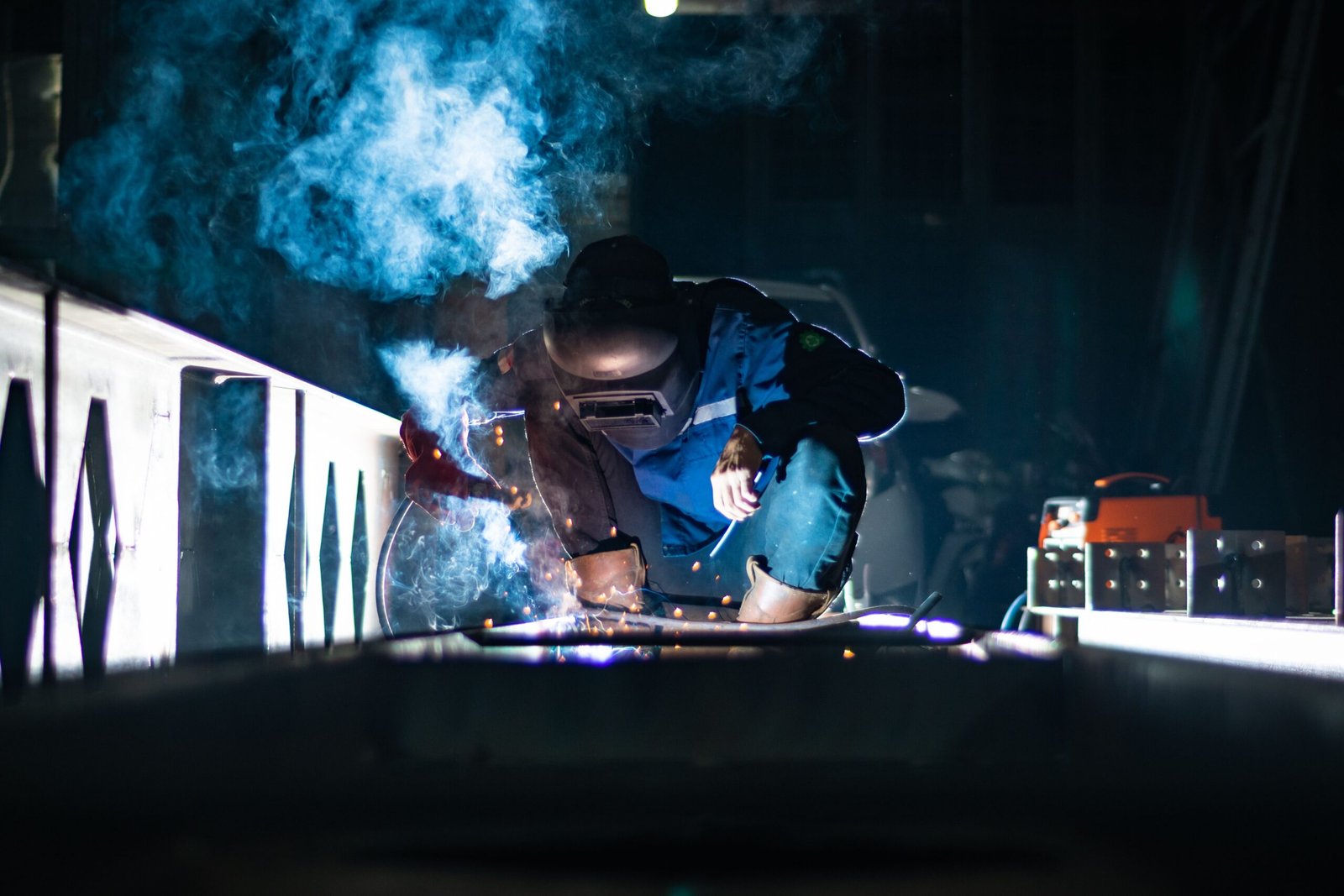
Please read this listing carefully before applying. This position is for skilled workers specifically — some candidates with only 1-2 months of general experience apply, go through the interview process, and end up getting rejected because they don’t meet the skilled-trade requirement. If you’re applying as a helper rather than a fully skilled technician, please mention this upfront when reaching out, so neither your time nor ours gets wasted. Skilled workers sometimes miss out on genuine opportunities simply because unqualified applications flood the process first — so please go through this listing thoroughly before sending your CV, which will also help you prepare a stronger application.
This role is best suited for candidates with genuine hands-on technical training — someone who takes safety procedures seriously and pays close attention to detail, since small mistakes in pressurized gas or water systems can create real hazards. If you’re just starting out without a recognized Ausbildung in this trade, it’s worth being upfront about that during screening rather than after being placed.
Job Overview
| Category | Details |
|---|---|
| Location | Düsseldorf, Germany |
| Job Type | Zeitarbeit (Temporary/Agency Staffing) |
| Recruiting Agency | Michael Page |
| Original Listing | View on Michael Page |
What This Role Involves
- Routine inspection, maintenance, and preventive servicing of heating and water supply systems
- Assembling, installing, and dismantling pipework, valves, pumps, and metering equipment
- Pressure testing, leak inspection, and calibration using diagnostic tools
- Locating and repairing pipe bursts or blockages in municipal or industrial networks
- Maintaining digital maintenance logs and reading technical schematics like P&ID diagrams
Requirements
| Category | Requirement |
|---|---|
| Qualification | Completed Ausbildung as Anlagenmechaniker (SHK), Industriemechaniker, or similar |
| Technical Skills | Reading P&ID diagrams, pipe cutting/threading, basic welding |
| Certifications | SCC certification an advantage; DVGW knowledge useful |
| Work Model | Willingness to work shifts / on-call (Bereitschaftsdienst) |
Understanding DVGW and SCC — Why They Matter
If you’re new to the German trades market, these two terms come up constantly and are worth understanding before you apply. DVGW (Deutscher Verein des Gas- und Wasserfaches) is the German technical association that sets the rules for how gas and drinking-water systems must be built, tested, and maintained — think of it as the safety rulebook for anything involving gas lines or water supply. Employers expect technicians to know and follow these standards, especially for leak testing and pipeline work. SCC (Safety Checklist Contractors) is a separate certification focused on workplace safety — things like confined-space work, hazardous materials handling, and lock-out/tag-out procedures. Neither certification is always mandatory to apply, but having them (or being willing to get certified quickly) makes a real difference during hiring.
A Practical Note on Zeitarbeit (Agency Work)
This position is offered through Michael Page as a staffing agency, meaning your direct employer will initially be the agency, not the end client company. This is common in the German skilled-trades sector and often leads to permanent placement (Übernahme) if performance is good — but it’s worth asking the recruiter directly about the expected timeline for a direct contract before accepting. Zeitarbeit contracts in Germany are also legally regulated: after a certain period in the same role, agency workers are generally entitled to equal pay compared to permanent staff doing the same job (Equal Pay principle under AÜG law), so it’s reasonable to ask about this during your interview.
One Common Interview Question — And How to Answer It
Technical interviewers for this type of role often ask a scenario question rather than a simple yes/no question, such as: “What steps would you take if you detected a sudden pressure drop in a gas distribution line?” A strong answer prioritizes safety first — isolating the affected area, following lock-out/tag-out procedure, and reporting immediately — before moving to diagnostic steps like acoustic leak detection and pressure testing, and finally documenting the repair according to DVGW standards. Interviewers are listening for whether safety comes before speed in your answer, since that’s the mindset utility companies actually want on the job.
Preparing Your Application
When writing your CV for this type of role, use precise German technical terms relevant to your experience — words like Wartung (maintenance), Instandhaltung (upkeep), Rohrleitungssysteme (pipeline systems), and Störungsbehebung (fault repair) — since these are the terms recruiters and hiring systems actually scan for. Clearly list any welding certifications (TIG, MIG, Gas) and safety training separately, rather than burying them in a general skills paragraph.
How to Apply
Apply directly through the official Michael Page listing. Read the full posting carefully before applying, since Zeitarbeit roles often have specific documentation requirements (work permits, certifications) that differ from direct-hire positions.
[Related Jobs] Looking for similar technical/trade roles in Germany? Check out: [Rope Access Technician]